skip to main | skip to sidebar
ifranks :: sharing new ideas to improve your work, life, and future ::

your originating ip address

Wednesday

Meeting Equality: How To Make Sure Everyone Gets Heard


PETER DAISYME 
When holding a meeting, you want all of the participants to feel welcomed and heard. Not only does this help everyone give their opinions and ideas, it grows the connections between coworkers and colleagues. ​
However, it may seem hard to make sure everyone is heard, especially in meetings with a larger number of people, or a meeting with introverted or remote participants.
If you’re ready to make sure everyone is heard during your meetings, here are six tips that will help.


1. Have fewer meetings or make them smaller.

It’s harder to hear 50 voices in a one hour meeting than it is to hear 10. By organizing smaller meetings, you can give more people the opportunity to speak without adding time to the meeting or cutting anyone off.
This is also an effective move to make if you have introverted or shy employees. They may feel more comfortable speaking in front of a smaller group of participants than in a larger group.
If you have a bigger team and still want to set up smaller gatherings -- try to keep from holding too many meetings. According to a recent survey from wireless presentation company Barco, 59 percent of employees feel less engaged when they have to attend multiple meetings every week.

2. Communicate ahead of time.

Let your team know the meeting agenda ahead of time to encourage thoughts and ideas to flow before you all talk together. It doesn’t have to be a detailed agenda, but just an email or sheet of paper giving a general idea of what you want to discuss in the meeting. Not only does this give them time to develop their own talking points, but it also keeps you from having to fill awkward silences or interrupt a long monologue by someone who keeps talking.
In the agenda, it’s also a good idea to add in a blurb saying you’d like for everyone to participate and that you want to make sure no view goes unexpressed. That way, you’re team understands that this meeting isn’t just for you to speak, but for all of the team to give their input as well.
Curt Cronin, the CEO of Ridgeline Partners and a former Navy SEAL, says giving people an agenda to think about ahead of time ensures everyone aligns around a common focus: “This transforms everyone at the meeting from a group of free agents into a team united around a shared set of values and goals.”

3. Ask for feedback.

One of the best ways to communicate is to ask open-ended questions. Request feedback on the latest project, role, or product. Have a discussion about what you’re looking for or what your participants need to accomplish during a task or project. This increases the odds that more people will voice their opinion and not stay silent.
One effective way to do this is by asking a question and going “around the table” or having everyone chime in one by one until everyone has been heard. Brian Scudamore, the founder and CEO of O2E Brands, holds daily meetings with a segment called “missing systems and opportunities.” He says, “Missing systems and opportunities is a chance for anyone to mention things that are broken, processes that could be better, and ask questions of managers and directors if necessary. It’s totally open -- we’ve had call center agents ask our COO tough questions, for example. The family-dinner style format keeps us all accountable.”

4. Use the right tools.

If you hold meetings virtually, or have remote team members, use tools that can allow each person the option to participate at their convenience. Using a tool like GoWall or GoToMeeting gives your remote participants the ability to “speak up” without feeling hidden behind their phones or computers.
GoWall gives everyone access to a digital note wall where people can post ideas. Any employee can like or comment on a note in real time, letting you see if they’re participating, even if they aren’t speaking. This can be done anonymously, so attendees can feel more confident in voicing their opinions without judgement.
GoToMeeting not only allows your remote workers the opportunity to chat while on the go or at home. This channel also uses business chat capabilities to talk before and after your meetings -- so you can collaborate without the formality of setting up a meeting every single time.
Using these tools allows everyone the opportunity to speak up, collaborate, and chime in at their convenience.

5. Assign roles.

This may be a bit easier when you have a smaller meeting, but assigning roles is another solid way to make sure everyone is heard. You can assign a role to each attendee for each topic or subject you have in the agenda.
For example, one person can be the main speaker while discussing the first item on the agenda. Another person can chime in during the next. While you can still ask for input from any attendee at any time, assigning roles to specific topics ensures that a greater percentage of participants get a chance to speak.

6. Ask for no interruptions.

At the beginning of the meeting, it can be beneficial to let everyone know that it’s vital to give every single team member the opportunity to speak. This means that if someone is talking -- no one should interrupt them. This also helps avoid issues like “Hepeating.”
While it’s okay to allow your participants to express their views after hearing others speak, but interrupting may make people uncomfortable. This may even cause people who don’t like confrontation to shut down and not want to speak up in the future.
Making your participants feel heard and appreciated is a great benefit to them and the company. If you’re looking to increase engagement in your meetings, these six tips are a great start. 

https://www.startupgrind.com/blog/meeting-equality-how-to-make-sure-everyone-gets-heard/
  • BUSINESS TIPS
  •    
  • FEEDBACK
  •    
  • MEET-UPS
  •    
  • STARTUP
  •    
  • TEAM
  •    
  • TOOLS
0 comments

Tuesday

Should You Take Meeting Notes by Hand or by Computer?

A friend recently complained to me that a young woman at her workplace made fun of her for taking meeting notes by hand. The young woman acted as though my friend--let's call her Marge--were incompetent: "WHY do you take notes by hand? Using a keyboard is much more efficient." 
To Marge, this comment felt like an attack on her age, with the young, savvy woman regarding her as an old fogey. 
Marge asked my opinion: Doesn't it make sense to take meeting notes by hand? Aren't there advantages to doing it that way? 
What do you think? When it's your turn to take meeting notes or minutes, do you take them by hand or electronically? Why? Which way is more efficient? Think about your experiences before reading the ideas below.Take Notes by Hand or By Computerhttps://www.businesswritingblog.com/business_writing/2018/07/should-you-take-meeting-notes-by-hand-or-by-computer-.html
Consider these advantages and disadvantages of each approach:

Taking Notes by Hand--Advantages
  • You can pay attention to what's happening in the meeting rather than focusing on typing. 
  • You can easily draw arrows, cross out words, and underline information without having to look for the right key. You can use your own method of notation or shorthand. 
  • It's faster to write if you are a slow typist. 
  • You can easily write notes on the meeting handouts. 
  • There's less temptation to record every word. 
  • There's no worry about what might go wrong with the computer.  
  • It's quieter and less distracting to other people in the room. 

Taking Notes on a Computer--Advantages 
  • It's faster because you don't have to transcribe your notes later--they are already typed.  
  • It's faster if you are a good typist.
  • The notes are legible.
  • It's easier and faster to check spelling.
  • It's easy to edit as you go.
  • You can efficiently fill in a template that includes the agenda items.
  • You can display your notes on a screen if the group wants to see them.

Taking Notes by Hand--Disadvantages
  • You may not be able to read your handwriting. 
  • You may not be able to keep up if you write slowly. 
  • Your writing hand can get tired if it's a long meeting.
  • It's a longer two-step process of writing, then typing. 
  • You may misplace your written notes and lose everything. 

Taking Notes on a Computer--Disadvantages
  • You may record too much information because you can.
  • You may focus too much on your screen rather than on the meeting. 
  • Your computer battery may die if you don't have a power cord. 
  • You may accidentally not save the file or may delete it. 
  • Your typing may distract others in the room or make them self-conscious about what you are recording. 

Do those pros and cons match your experiences? If you have others to add, please share them in a comment. 
I reassured Marge. It IS efficient to take notes by hand--if that method works better for her. But I also encouraged her to take notes on her laptop to learn whether she likes it. She might find that it's more efficient in some situations. 
When I take meeting notes, I often use both methods. I fill in a template on my laptop as the meeting progresses. And I have paper copies of the handouts so I can make notes on them as necessary. However, when I need to participate actively in a meeting, I always take notes by hand. Typing would distract me. 
What kind of note-taking is efficient for you?
Lynn
Syntax Training
July 18, 2018 in Meeting Notes and Minutes | Permalink
0 comments

Thursday

Leading Questions

Image result for leading questions

A leading question is a question which subtly prompts the respondent to answer in a particular way. Leading questions are generally undesirable as they result in false or slanted information. For example:
Do you have any problems with your boss?
This question prompts the person to question their employment relationship. In a subtle way it raises the prospect that there are problems.
Tell me about your relationship with your boss.
This question does not seek any judgment and there is less implication that there might be something wrong with the relationship.
The difference in the above example is minor but in some situations it can be more important. For example, in a court case:
How fast was the red car going when it smashed into the blue car?
This question implies that the red car was at fault, and the word "smashed" implies a high speed.
How fast was each car going when the accident happened?
This question does not assign any blame or pre-judgment.

Obtaining Responses to Suit the Edit

In journalism, leading questions can be used in various ways. For example, a journalist might want a particular type of answer to edit alongside some other content. This can be good or bad, as illustrated by the following example.
A hypothetical journalist is doing a story on the moon hoax theory1. First of all the journalist gets the following statement from an advocate of the theory:
"Photographs of the moon landing show converging shadows were they should be parallel. This could only happen in a studio so the photos must be fake."
The journalist then interviews a NASA engineer. This response will be edited to appear immediately after the accusation. There are several ways to ask the question, each with very different results:
How do you explain the missing stars from the Apollo photographs?
This question leads the engineer enough to answer the specific question, while being open-ended enough to get a complete answer. This is good.
How do you respond to people who say the Apollo photographs were fake?
This question elicits a tenuously-relevant reply without actually answering the accusation. The engineer will give a broad answer such as "I think these people have got it wrong". This gives the impression that the engineer is being evasive and can't answer the question.
How do you respond to conspiracy theorists who accuse you of faking the landing and lying to America?
This question adds some spice with provocative phrases designed to encourage a stronger response.
Of course the ethical journalist will avoid using leading questions to mislead.
https://www.mediacollege.com/journalism/interviews/leading-questions.html
0 comments

Sunday

Cognitive Dissonance

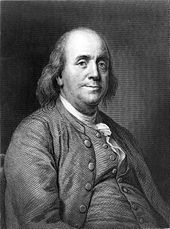
The Ben Franklin effect is a proposed psychological phenomenon: a person who has already performed a favor for another is more likely to do another favor for the other than if they had received a favor from that person. An explanation for this is cognitive dissonance. People reason that they help others because they like them, even if they do not, because their minds struggle to maintain logical consistency between their actions and perceptions.
The Benjamin Franklin effect, in other words, is the result of one's concept of self coming under attack. Every person develops a persona, and that persona persists because inconsistencies in one's personal narrative get rewritten, redacted, and misinterpreted.[1]

Franklin's observation of effect

Benjamin Franklin, after whom the effect is named, quoted what he described as an "old maxim" in his autobiography: "He that has once done you a kindness will be more ready to do you another, than he whom you yourself have obliged."[2]
In his autobiography, Franklin explains how he dealt with the animosity of a rival legislator when he served in the Pennsylvania legislature in the 18th century:
Having heard that he had in his library a certain very scarce and curious book, I wrote a note to him, expressing my desire of perusing that book, and requesting he would do me the favour of lending it to me for a few days. He sent it immediately, and I return'd it in about a week with another note, expressing strongly my sense of the favour. When we next met in the House, he spoke to me (which he had never done before), and with great civility; and he ever after manifested a readiness to serve me on all occasions, so that we became great friends, and our friendship continued to his death.

Research

The initial study of the effect was done by Jecker and Landy in 1969; in which students were invited to take part in a Q&A competition run by the researcher in which they could win sums of money. After this competition was over, one-third of the students who had "won" were approached by the researcher, who asked them to return the money on the grounds that he had used his own funds to pay the winners and was running short; another third were asked by a secretary to return the money because it was from the psychology department and funds were low; another third were not approached. All three groups were then asked how much they liked the researcher. The second group liked him the least, the first group the most – suggesting that a refund request by an intermediary had decreased their liking, while a direct request had increased their liking.[3][4]
In 1971, University of North Carolina psychologists John Schopler and John Compere carried out the following experiment:
They had their subjects administer learning tests to accomplices pretending to be other students. The subjects were told the learners would watch as the teachers used sticks to tap out long patterns on a series of wooden cubes. The learners would then be asked to repeat the patterns. Each teacher was to try out two different methods on two different people, one at a time. In one run, the teachers would offer encouragement when the learner got the patterns correct. In the other run of the experiment, the teacher insulted and criticized the learner when they erred. Afterward, the teachers filled out a debriefing questionnaire that included questions about how attractive (as a human being, not romantically) and likable the learners were. Across the board, the subjects who received the insults were rated as less attractive than the ones who got encouragement.
In short, the subjects' own conduct toward the accomplices shaped their perception of them – "You tend to like the people to whom you are kind and dislike the people to whom you are rude."[1]
Results were mimicked in a more recent but smaller study by psychologist Yu Niiya with Japanese and American subjects.[5]

Effect as an example of cognitive dissonance

This perception of Franklin has been cited as an example within cognitive dissonance theory, which says that people change their attitudes or behavior to resolve tensions, or "dissonance", between their thoughts, attitudes, and actions. In the case of the Ben Franklin effect, the dissonance is between the subject's negative attitudes to the other person and the knowledge that they did that person a favor.[6][7] One science blogger accounts for the phenomenon in the following way: "Current self-perception theory tells us that our brains behave like an outside observer, continually watching what we do and then contriving explanations for those actions, which subsequently influence our beliefs about ourselves....Our observing brain doesn't like it when our actions don't match the beliefs we have about ourselves, a situation commonly referred to as cognitive dissonance. So, whenever your behavior is in conflict with your beliefs (for example if you do a favor for someone you may not like very much or vice versa, when you do something bad to someone you are supposed to care about), this conflict immediately sets off alarm bells in your brain. The brain has a clever response – it goes about changing how you feel in order to reduce the conflict and turn off the alarms."[8]

Alternative explanations

Psychologist Yu Niiya attributes the phenomenon to the requestee reciprocating a perceived attempt by the requester to ignite friendly relations.[9] This theory would explain the Ben Franklin effect's absence when an intermediary is used.

Uses

Some have observed that the Ben Franklin effect can be useful for improving relationships among coworkers.[10]
In the sales field, the Ben Franklin effect can be used to build rapport with a client. Instead of offering to help the potential client, a salesperson can instead ask the potential client for assistance: "For example, ask them to share with you what product benefits they find most compelling, where they think the market is headed, or what products may be of interest several years from now. This pure favor, left unrepaid, can build likability that will enhance your ability to earn that client's time and investment in the future."[11]
The Benjamin Franklin effect can also be observed in successful mentor-protege relationships. Such relationships, one source points out, "are defined by their fundamental imbalance of knowledge and influence. Attempting to proactively reciprocate favors with a mentor can backfire, as the role reversal and unsolicited assistance may put your mentor in an unexpected, awkward situation".[11] The Ben Franklin effect was cited in Dale Carnegie's bestselling book How to Win Friends and Influence People. Carnegie interprets the request for a favor as "a subtle but effective form of flattery".
As Carnegie suggests, when we ask a colleague to do us a favour, we are signalling that we consider them to have something we don't, whether more intelligence, more knowledge, more skills, or whatever. This is another way of showing admiration and respect, something the other person may not have noticed from us before. This immediately raises their opinion of us and makes them more willing to help us again both because they enjoy the admiration and have genuinely started to like us.[10]
Psychologist Yu Niiya suggests that the Ben Franklin effect vindicates the theory of amae (甘え). It states that dependent, childlike behavior can induce a parent-child bond where one partner sees themselves as the caretaker.[5] In effect, amae creates a relationship where one person feels responsible for the other, who is then free to act immaturely and make demands.
One commentator has discussed the Ben Franklin effect in connection with dog training, thinking "more about the human side of the relationship rather than about the dogs themselves." While trainers often distinguish between the impact of positive and negative reinforcement-based training methods on the dogs, it can also be relevant to "consider the effects that these two approaches may have upon the trainer. The Ben Franklin Effect suggests that how we treat our dogs during training influences how we think about them as individuals – specifically, how much we like (or dislike) them. When we do nice things for our dogs in the form of treats, praise, petting and play to reinforce desired behaviors, such treatment may result in our liking them more. And, if we use harsh words, collar jerks or hitting in an attempt to change our dog's behavior, then...we will start to like our dog less."[8]

Converse

The opposite case is also believed to be true, namely that we come to hate a person whom we did wrong to. We de-humanize them to justify the bad things we did to them.[3]
It has been suggested that if soldiers who have killed enemy servicemen in combat situations later come to hate them, it is because this psychological maneuver helps to "decrease the dissonance of killing".[3] Such a phenomenon might also "explain long-standing grudges like Hatfield vs. McCoy" or vendetta situations in various cultures: "Once we start, we may not be able to stop and engage in behavior we would normally never allow."[12] As one commentator has put it, "Jailers come to look down on inmates; camp guards come to dehumanize their captives; soldiers create derogatory terms for their enemies. It's difficult to hurt someone you admire. It's even more difficult to kill a fellow human being. Seeing the casualties you create as something less than you, something deserving of damage, makes it possible to continue seeing yourself as a good and honest person, to continue being sane."[1]

https://en.wikipedia.org/wiki/Ben_Franklin_effect

See also

  • Foot-in-the-door technique
0 comments

Saturday

A couple points about Meeting Minutes and Corrections...

From https://robertsrules.com/

Isn't it necessary to summarize matters discussed at a meeting in the minutes of that meeting in order for the minutes to be complete?

If minutes of a previous meeting are corrected, are the corrections entered in the minutes of the meeting at which the corrections were made?


Question 15:
Isn't it necessary to summarize matters discussed at a meeting in the minutes of that meeting in order for the minutes to be complete?
Answer:
Not only is it not necessary to summarize matters discussed at a meeting in the minutes of that meeting, it is improper to do so. Minutes are a record of what was done at a meeting, not a record of what was said. [RONR (11th ed.), p. 468, ll. 16-18; see also p. 146 of RONR In Brief.]

Question 16:
If minutes of a previous meeting are corrected, are the corrections entered in the minutes of the meeting at which the corrections were made?
Answer:
If corrections to minutes are made at the time when those minutes are originally submitted for approval, such corrections are made in the text of the minutes being approved. The minutes of the meeting at which the corrections are made should merely indicate that the minutes were approved “as corrected,” without specifying what the correction was.
If it becomes necessary to correct minutes after they have initially been approved, such correction can be made by means of the motion to Amend Something Previously Adopted. In this event, since the motion to Amend Something Previously Adopted is a main motion, the exact wording of that motion, whether adopted or rejected, should be entered in the minutes of the meeting at which it was considered. [RONR (11th ed.), p. 469, ll. 4-8; p. 475, ll. 18-24; see also p. 151 of RONR In Brief.]

0 comments

Tuesday

Seven Ways to Build Credibility

(and trust the training)


Written by Amanda Zantal-Wiener

@amanda_zw


Not too long ago, my alma mater asked me to give a talk about “what comes next” after business school. I was to address a group of MBA candidates about the discomfort of figuring out what to do with this fabulous new degree, and how to embrace the path to leadership. And in the process of preparing for it, I came across some pretty dismal statistics about the workplace.


Among other fun facts, I learned:
Less than half of employees actually trust their senior managers.
Only 32% of employees actually feel engaged with their work.
49% of employees would actually recommend working for their employer.


“Jeez,” I thought. “I’m not about to paint the best picture of the future, am I?”


But I kept looking. Instead of searching for more data on dissatisfied employees, I turned my attention to the ones who reported being engaged, happy, and confident at work. I wanted my audience to know that this positive reality existed, and I wanted to find out which factors contributed to it. And more often than not, it seemed, an employee’s satisfaction -- high or low -- could be traced back to his or her leaders.
So what makes those numbers strong? What creates trust, engagement, and confidence within the workplace? We asked a few people -- ranging from record executives to business school professors -- who have learned a thing or two about leadership, and came up with a list of ways that new leaders can build credibility.
7 Ways to Build Credibility When You're a New Leader

1) Actively listen.


I don’t know about you, but I’m not surprised to learn that we only remember 25% to 50% of what we hear. I mean, I can only listen to my mother’s story about the deer eating her hydrangeas so many times, right?


But at work, tuning people out can be dangerous, especially when you’re managing them. You might miss important feedback, directions, or updates. Even worse? If your team thinks you’re not hearing them, they won’t confide in you. That can diminish the chances that they’ll turn to you when they have questions or need help, which in turn prevents them from producing their best work. That’s a top management faux pas: Not helping your team succeed.


That’s why it’s so important to learn how to actively listen, especially in the early stages of building credibility and earning trust as a leader. It’s not an easy task at first -- especially when we’re constantly overloaded with information and stimuli -- but it can be learned with a few good habits. (HubSpot’s VP of Sales, Pete Caputa, writes more about that here.)


When colleagues are speaking to you, keep distractions minimized or at bay; try moving the conversation away from anything that might cause your attention to stray, like your computer or mobile devices. And don’t be afraid to do whatever’s necessary to make sure you heard the person correctly, even if it means repeating back to them what you think you heard.

2) Get to the point.


Not only do we only retain about half of what we hear, but now, studies say that humans have a shorter attention span than goldfish. So when you speak to your team, cut to the chase -- you want them to remember the important parts.


The Brandon Hall Group listed what I like to call the “CSS” of verbal communication:
Clearly
Simply
Succinctly


The first, “clearly,” is particularly important -- according to a recent Wrike work management survey, 37% of employees blamed “unclear priorities” for decreased productivity. So don’t water down your message with a lot of big words or details to prove your competence; not only does that detract from your confidence as a leader, which we’ll get to later, but it’ll undercut focus from your main takeaways.


But while you’re keeping things brief, make sure your team knows that you’re also receptive to questions and feedback. Only 20% of employees say that their managers take action when concerns are voiced, so when you invite input, you’re setting yourself apart as a leader.

3) Be consistent.


When I asked my friend Dessa -- rapper extraordinaire and President of Doomtree Records -- what her career has taught her about leadership, she said something that really resonated with me.


“Do what you say you’ll do.”


It seems simple in theory, right? But imagine this scenario: Being goal-oriented, you’ve taught yourself to eradicate the word “no” from your vocabulary. So you start off by saying “yes” to everything -- more than any one person can actually take on -- until you realize you’ve completely over-committed and can’t deliver on everything you agreed to. Been there? I have.


If you go from always saying “yes” to being so overwhelmed with commitments that you snap at new requests, it creates a major inconsistency in your leadership style. It makes your temperament look unpredictable, which can really stress out your team and make people less inclined to approach you. In fact, a recent study showed that employees actually prefer a manager who’s consistently mean over one with erratic behavior.


“One of the most important things for leaders to think about is consistency,” James Harder, Director of Communications at Morgan Memorial Goodwill Industries, told me. “If your messaging is consistent, it gives you more credibility. That is true with any phase of marketing, or for that matter, communication.”


So before you make a promise, be sure to ask yourself, “Is this a priority? Can I really take this on right now?” Knowing when to say “no” will create a balanced sense of priority among your team, and on your own to-do list.

4) Get to know as many people as possible.


When I asked Harvard Business School Leadership professor Ethan Bernstein for his thoughts on leadership credibility, he summed it up with one line: It’s “built by doing, enabling, and recognizing great work.”


So while you’re likely in a position of leadership because of your own achievements, it’s important to acknowledge that people around you do good work, too.


Why is that?


Well, to start, employee recognition goes a long way -- 70% of employees in North America say that receiving recognition is "effective," for example, when it comes to their engagement.


But by going beyond the parameters of your own team, you’re better able to recognize the far-reaching talent throughout your organization. That creates an opportunity to “design mutually beneficial partnerships” -- another leadership lesson that Dessa says she’s picked up -- which can accomplish a few things.


Reaching out to more people within your organization sends the message that you’re open to different perspectives. Since that kind of behavior shows that you’re looking beyond your own self-interest, it can build credibility. At HubSpot, for example, we follow the philosophy of solving for the customer first. So when our leaders are able to seek out multiple perspectives and talents within the company, it ultimately leads to more people improving and creating new solutions.


No wonder McKinsey identifies “seeking different perspectives” as a leadership best practice. It can lead to the beneficial partnerships that Dessa was talking about: The ones that reach across different departments to work toward a common goal.

5) Seek out speaking opportunities.


Remember all those lessons on the best ways to speak with your team? For those who don’t love addressing groups to begin with (and don’t worry -- you're in good company), effective communication might require a little extra effort.


That’s why my colleague, Lindsay Kolowich, suggests that leaders go out of their way to find speaking opportunities. “Not only will it get your name out there,” which is always a good way to build credibility, she says, but “it’ll give you good practice. The more advanced you become in your career, the more you will be expected to speak.”


So how do you go about finding these opportunities? First, check out our CMO’s guide to becoming a better speaker. Then -- once again -- start with the people around you.


“I got my first few speaking gigs by emailing someone on my PR team,” Kolowich says. “I asked how I might be able to find events that could be a good fit.” As a result, she ended up being booked for several talks.


If you do reach out to your company’s PR department, just make sure to be specific. Identify your area of expertise, the geographical location(s) where you’d like to speak, and the types of events that interest you the most: Workshops, conferences, etc. And even if your organization doesn’t have a PR rep, these are the details you’ll need when looking for opportunities on your own.

6) Trust the training.


Corporate training gets such a bad rap, doesn’t it? When we think of it, many of us have visions of things like trust falls and kitschy name-games. But look beyond the stereotypes. Training has changed, and it can be highly valuable.


Most companies -- 83% of them, in fact -- have said how important it is for all leaders to receive some sort of training. But only 5% of employers actually have it. So while it might be easy to roll your eyes at the idea of training, think of it this way: Your company is part of the small percentage employers who actually care enough to invest in leadership development. (You are valued!)


That’s true no matter where you are in your career. Even if you’ve been with your company for years, writes HubSpot Principal Marketing Strategist Sam Mallikarjunan, “it’s probably been a while since you went through new hire training.” And because many of the people reporting to you have gone through this process recently, you might want to experience it, too.


When you have something like that in common with your team, it can heighten your ability to relate and empathize, which helps to improve credibility -- leaders with empathy show a 40% higher overall performance than those without.

7) Have trust in yourself.


When I first started at HubSpot and felt a little nervous about my new role, someone suggested that I try Googling “new job anxiety.” I immediately felt better, if for no other reason than my fears seemed to be more common than I thought.


For a lot of us, a big part of this stress can be traced to something called “imposter syndrome”: The sense that, no matter how much we’ve achieved, we don’t belong in a leadership position or deserve the success of having gotten there. A whopping 70% of us -- especially particularly ambitious folks -- will endure that feeling at some point in our careers.


But if we don’t even lend ourselves any credibility, how can we expect to build it within our teams? Harvard Business School professor Amy Cuddy has discussed this phenomenon quite a bit. In her TED Talk, she even referenced the “fake-it-till-you-make-it” approach.


By “faking it,” Cuddy isn’t suggesting that you lie about your credentials. Instead, she’s encouraging the idea of doing what scares you the most -- like public speaking, as we discussed above -- and internally reciting whatever mantra you need to in order to make it happen (for example, “I am a rock star”). When you repeatedly face these fears, she says, you’ll get to a point where you realize -- and believe -- that you do, in fact, belong in this position of leadership.



When you think about it, confidence = credibility. Merriam Webster defines the former as “the feeling of being certain that something will happen or that something is true,” and the latter as “the quality of being believed or accepted as true, real, or honest.” So believe in your team, believe in the training, and believe in yourself -- the sooner you can, the sooner you’ll be on your way to building credibility as a leader.


 Originally published Aug 11, 2016 8:00:00 AM, updated July 28 2017


Topics: Leadership


0 comments

12 Leadership Behaviors That Build Team Trust


Ekaterina Walter
Ekaterina WalterContributori
I write about leadership, business culture, and marketing innovation
Without trust there is no leadership.
Seems rather simple, doesn’t it?
In reality, however, it is not.
Very few managers are leaders. The difference between the two? A manager is someone who has people reporting to him. A leader is someone who people will follow, even if they don’t report to him. What separates the two is the trust and respect of his people.
When the leader establishes trust within the team, it truly shows. Team members feel secure in sharing their opinions without the fear of judgment or retribution, freely share information and openly collaborate on projects and know that if the leader pushes them, he does so with their best interests in mind. The result? Highly motivated and productive workforce.

A leader is only as effective as his team. But building trust takes time and conscious effort. People don’t trust words, they trust actions.
Here are the behaviors one needs to display to earn trust of his/her team every single day:
Lead by example
Leaders who don’t walk the talk lose trust. If you want your team members to display certain behaviors, you need to display them first. You cannot ask someone to do something that you wouldn’t do yourself. For example, if you expect your team to work late, do so as well. Showing your team that you are one of them and their equal in being responsible for outcomes will go a long way in building trust.

Overcommunicate

Transparency builds trust. Secrets destroy it.
True leaders are direct and honest. And they communicate all the time. Lack of information creates assumptions that are usually negative or disruptive to team’s motivation and productivity. Err on the side of overcommunicating, always.
People can smell you hiding something a mile away. If there is some information you can’t share with the team just yet, tell them what you can and show them you got their backs. This is especially critical in the times of reorganization or layoffs. Always follow the rule: “tell the truth, point to hope.”
Admit your mistakes and acknowledge your limitations
Publicly own up to your mistakes when you make them. Admitting you were wrong isn’t a sign of weakness, but strength. Acknowledge the mistakes and outline the new course.
No one knows everything. We all have our limitations. Build a team around you that complements you – and each other – in knowledge, skillsets, and capabilities. Don’t try to do everything. Let your team members drive certain projects and outcomes. That will make them feel valued and will make you look good. But always have their back when something doesn’t go according to plan.
Keep your promises and stick to your commitments
No one trusts those who don’t keep their word. So keep your promises and, if you make a commitment, stick to it.
Every now and then, however, there are circumstances outside your control that might come into play. In those cases your team will understand, as long as you display this behavior consistently in times when this doesn’t apply.
Trust your team
Hire the best and trust them to lead. Trust is a two-way street. If you don’t trust your team, they won’t trust you.
And always remember: take the blame, but give away the credit. Acknowledge people for their contributions. The more credit your give away, the more motivated your team will be to move mountains for you. And when something goes wrong, acknowledge the fact that the mistake was made under your leadership and don’t throw your team under the bus.
Ask for feedback
No one is perfect. All of us learn as we go, even towards the end of our career. Ask your team for feedback: what you can be doing as a leader to help them be more productive, how you can improve their work environment, what process you can change for the whole team to be more effective, how you can better communicate with them, etc. And when the feedback is provided, accept it with grace and say "thank you." It’s not easy to hear constructive feedback, but it helps you improve as a manager and as a professional.
Don’t play favorites
A double standard is the fastest way to trust deterioration. Playing favorites destroys strong teams. Don’t do it! Just don’t!
Treat everyone fairly
Always treat everyone fairly. Have the same set of expectations for every team member and create team rules that you expect everyone to respect and follow, such as a “don’t gossip” rule, for example. Some leaders create the team rules collectively with their teams which ensures that everyone agrees to uphold the same set of standards.
Setting clear expectations upfront, including clear roles and responsibilities, ensures that there are no surprises. This takes extra stress out of the daily routine. Each employee knows what they are expected to deliver and are not surprised during their performance review discussion.
Don’t gossip
Gossip kills trust. Effective leaders set – and follow – a rule of not discussing one team member with another behind his/her back.
Listen
Take the time to get to know every single member of your team.
Ask questions, consistently. And then listen. You will be surprised what you can learn if you keep quiet during discussions or meetings and just let others talk.
Act with consistency
Consistency is key to great leadership. Consistency of acts, behaviors, moods, expectations. I’ve worked for managers before who would be happy one day and infuriated the other, who would set out one path one day and totally change it the next day. This creates uncertainty, frustration, and distrust. I am not saying don’t pioneer change and stay agile. I am saying that whenever possible provide your team with unwavering support that they can rely on and a set of rules and expectations that will be their guiding star through good times and bad.
Put the success of the team before your own
When your team knows that you are in it for your own success, they won’t give you their best. Ever. Instead show them that you put them ahead of your own ambitions (or at a minimum let them in on your ambitions and give them a seat at the table in achieving them). And again, I can’t stress it enough: take the blame, give away the credit.
At the end of the day, success of your team is your success as well. The two go hand in hand. But in your desire to climb the corporate (or start-up) ladder, don’t leave behind or forget those who made it happen. None of us can achieve success alone, remember that.
In summary…
Trust leads to loyalty. And loyalty leads to people doing their best to deliver results for you and the company. To earn trust and respect you have to give trust and respect, as well as look out for your people. And if you do, there will be no limit to what you can achieve.


https://www.forbes.com/sites/ekaterinawalter/2015/12/01/12-leadership-behaviors-that-build-team-trust/#3de07f9a7221
0 comments
label cloud << LinkedIn

Monday

How to run a brainstorm for introverts (and extroverts too)

Insights From Our Office     

Posted by: Laura McClure October 27, 2014 at 3:30 pm EDT
How-to-brainstormCocktail party trivia: Brainstorming was invented in the 1930s as a practical idea-generation technique for regular use by “creatives” within the ad agency BBDO. That all changed in 1942, when Alex Osborn — the “O” in BBDO — released a book called How to Think Up and excited the imaginations of his fellow Mad Men.
Since 1942, the idea-generation technique that began life in a New York creative firm has grown into the happy kudzu of Silicon Valley startups. Somewhere near Stanford, an introvert cringes every time the idea comes up of sitting in a roomful of colleagues, drawing half-baked ideas on Post-it notes, and then pasting them to the wall for all to see. (If this is you, watch David Kelley’s TED Talk on creative confidence, followed by Susan Cain’s on the power of introverts.)
I’ve run a lot of brainstorms over the years: with designers at IDEO, with Tom and David Kelley (I co-authored the book Creative Confidence with them), and with TED’s editorial team. And I’ve noticed that not everyone is down with the whole brainstorm thing. In fact, I’ve come to believe that there’s no one right way to run a brainstorm. You have to be willing to modify the format, length and parameters of each session to match the mix of introverts, extroverts and creative confidence levels in the room.
Below, 12 tips on how to run a killer brainstorm for (mostly) introverts:
  1. Circulate the question or topic before you start. For introverts who generate ideas best without the looming presence of others, knowing the topic in advance is key. This allows them to come prepared with several creative options — and not feel stampeded by extroverts who prefer to riff.
    .
  2. Seat the group at a round table. It worked for King Arthur and the Knights of the Round Table.
    .
  3. Keep each session short. 10 minutes at the end of a regular meeting is fine, as some people might get a case of the woozies if they see a 60-minute session pop up on their calendar.
    .
  4. Number the group list of ideas as it’s generated. Skip the Post-its and just use big pieces of paper on the table, or a whiteboard if there happens to be one. The numbering part helps people feel especially accomplished as they go. A mental pat-on-the-back.
    .
  5. Aim for a specific quantity of ideas. 25 ideas, say. Let people know the goal at the start, and don’t stop till you get there. Keep going after you reach the goal if you want, but that’s just gravy.
    .
  6. Start at your left and go around the circle. Each person gives one idea at a time. No one gets skipped over. This will help you hear from all members of the group—and not just the ones with the loudest voices.
    .
  7. The default mode for a successful brainstorm is “Yes, and.” As in comedy improv, good brainstormers don’t waste time tearing down silly-sounding ideas. Instead, they either improve on the idea by adding something awesome to it, or generate a new idea quickly. Another way to phrase this is “build on the ideas of others.” This is one guideline I always mention at the beginning of every brainstorm, and reinforce throughout, since it’s the exact opposite of how large, traditional corporations tend to work with new ideas. The goal at this stage is to remix and add to others’ ideas — not filter or critique.
    .
  8. Write down every single idea that’s mentioned, and take a neutral, respectful stance toward each idea. Consciously or subconsciously, others will cue off your lead. You want everyone in the room to feel heard, to have permission to speak their piece, and to defer judgment during the brainstorm. Pro tip: Don’t attach people’s names to ideas.
    .
  9. Share back the unfiltered ideas list after the brainstorm ends. You can share this in an email, as a Google Doc — whatever’s best for your team. You never know which stub of an idea might spark the next great thing for someone else on your team.
    .
  10. If the word ‘brainstorm’ doesn’t work for you or your group, don’t use it. Call it design improv, call it a pitch jam, call it a ‘5-minute think’ — whatever. The name is way less important than the goal, which is to get people together in a manner that allows them to generate ideas worth spreading or solutions to problems worth fixing.
    .
  11. Modification #1: Passive brainstorm, 5-day version. One successful alternative to an in-person group brainstorm, if you’re all physically in the same office, is to tape a large piece of paper to an office wall near the kitchen or bathroom, with your question at the top and a pen for writing in answers (at IDEO, blackboard paint on the bathroom wall worked well). Leave it up for 5 days, then take a picture and transcribe it.
    .
  12. Modification #2: Passive brainstorm, 5-minute version. A second alternative to a meeting-room brainstorm is to throw a 5-minute inspiration break around 3 in the afternoon, when people tend to need a boost anyway. To kick it off, send a group email (or whatever works for your company culture) with the subject line: “5-minute inspiration break: [your question here]” — and ask them to discuss. One caveat: This method works best when you start the email string with a few options you’re already considering, and keep it time-boxed to 5 minutes.
Like other idea-generation tools, brainstorming was invented to make creative success easier, not more stressful — which is why creators are still using this technique 75 years after its invention. But coming up with lots of great ideas is just one step. The crucial next phase, often in a smaller group: filter the ideas list and start picking the best ideas to move forward on.
https://blog.ted.com/how-to-run-a-brainstorm-for-introverts-and-extroverts-too/
brainstormingbrainstormsBusinesscreative confidenceextrovertsidea generationInsights from the OfficeintrovertsTED Conferenceswork
0 comments
label cloud << LinkedIn
Newer Posts Older Posts Home
Subscribe to: Posts (Atom)

More...

  • ▼  2022 (3)
    • ▼  October (1)
      • Tip Sheet - Robert's Rules of Order
    • ►  June (1)
    • ►  February (1)
  • ►  2021 (5)
    • ►  November (2)
    • ►  July (1)
    • ►  June (1)
    • ►  May (1)
  • ►  2020 (26)
    • ►  November (4)
    • ►  August (3)
    • ►  July (3)
    • ►  June (2)
    • ►  May (5)
    • ►  April (3)
    • ►  March (2)
    • ►  February (2)
    • ►  January (2)
  • ►  2019 (15)
    • ►  December (2)
    • ►  November (1)
    • ►  October (1)
    • ►  September (2)
    • ►  August (1)
    • ►  July (1)
    • ►  June (2)
    • ►  May (1)
    • ►  April (1)
    • ►  March (1)
    • ►  February (1)
    • ►  January (1)
  • ►  2018 (28)
    • ►  November (1)
    • ►  October (13)
    • ►  September (1)
    • ►  June (5)
    • ►  May (3)
    • ►  March (4)
    • ►  January (1)
  • ►  2017 (12)
    • ►  October (1)
    • ►  September (2)
    • ►  August (1)
    • ►  July (3)
    • ►  June (2)
    • ►  March (1)
    • ►  January (2)
  • ►  2016 (115)
    • ►  December (6)
    • ►  November (25)
    • ►  October (84)
  • ►  2015 (5)
    • ►  September (2)
    • ►  July (1)
    • ►  April (2)
  • ►  2014 (13)
    • ►  September (1)
    • ►  June (1)
    • ►  May (2)
    • ►  April (4)
    • ►  March (2)
    • ►  January (3)
  • ►  2013 (28)
    • ►  November (2)
    • ►  October (4)
    • ►  September (5)
    • ►  June (2)
    • ►  May (3)
    • ►  April (4)
    • ►  March (6)
    • ►  February (1)
    • ►  January (1)
  • ►  2012 (18)
    • ►  August (5)
    • ►  July (1)
    • ►  May (1)
    • ►  April (3)
    • ►  March (2)
    • ►  February (5)
    • ►  January (1)
  • ►  2011 (112)
    • ►  December (8)
    • ►  November (5)
    • ►  September (13)
    • ►  August (4)
    • ►  June (16)
    • ►  May (52)
    • ►  April (12)
    • ►  March (2)
  • ►  2010 (54)
    • ►  November (8)
    • ►  October (12)
    • ►  September (15)
    • ►  August (10)
    • ►  July (2)
    • ►  May (1)
    • ►  April (3)
    • ►  March (1)
    • ►  February (2)
  • ►  2009 (23)
    • ►  December (4)
    • ►  October (2)
    • ►  September (2)
    • ►  August (1)
    • ►  June (4)
    • ►  April (2)
    • ►  March (2)
    • ►  January (6)
  • ►  2008 (6)
    • ►  August (2)
    • ►  July (2)
    • ►  April (2)
  • ►  2007 (2)
    • ►  December (1)
    • ►  March (1)
  • ►  2006 (3)
    • ►  September (1)
    • ►  June (1)
    • ►  May (1)
  • ►  2005 (5)
    • ►  December (2)
    • ►  November (1)
    • ►  May (1)
    • ►  April (1)

↑ SEARCH this blog

TRENDING NOW

Loading...

Enter your email address:

Delivered by FeedBurner

minutes ago in calgary

minutes ago in calgary

translation of this blog

English French German Spain Italian Dutch

Russian Portuguese Japanese Korean Arabic Chinese Simplified

ifranks

ifranks
T H [ I ] N K

Wired

Loading...

Psychology Today

Loading...

Sociology

Loading...

BuzzMachine

Loading...

Training Zone

Loading...

Pcworld

Loading...

37Signals

Loading...

Wikipedia

Loading...

Telecommunications

Loading...

Wiki How

Loading...

Lifehacker

Loading...

↓ SEARCH the web

Google
Custom Search

TRENDING NOW

Loading...